
Your brain is one of the most energy-demanding organs in your body, using up to 20% of your daily calorie intake. What you eat directly influences your memory, focus, mood, and long-term brain health. A nutrient-rich diet can enhance cognitive performance, reduce mental fatigue, and even lower the risk of neurodegenerative conditions like Alzheimer’s risk by up to 53% and Dementia.
-
Neuroplasticity & BDNF
Foods that boost Brain-Derived Neurotrophic Factor (BDNF) promote the growth of new neurons and strengthen synaptic connections—the foundation of learning, memory, and cognitive resilience.
-
Neuroinflammation Defense
Chronic brain inflammation is linked to depression, Alzheimer’s, and cognitive decline. Anti-inflammatory compounds that cross the blood-brain barrier protect neurons from immune-mediated damage.
-
Cerebral Blood Flow
The brain uses 20% of the body’s oxygen despite being only 2% of body weight. Foods that enhance cerebral blood flow deliver more oxygen and nutrients to neurons, boosting focus and processing speed.
🧬 Why Nutrition Matters for Brain Health
The brain relies on a constant supply of nutrients to:
-
Maintain healthy neurons (brain cells)
-
Support neurotransmitter production (for mood and focus)
-
Reduce inflammation and oxidative stress
-
Protect against age-related cognitive decline
A poor diet—high in processed foods, sugars, and unhealthy fats—can impair memory, increase brain fog, and accelerate aging of the brain.
🥗 Key Nutrients That Boost Brain Power
1. Omega-3 Fatty Acids (Brain Structure & Memory)
Omega-3s are essential fats that form the building blocks of brain cells.
Benefits:
-
Improve memory and learning
-
Reduce inflammation
-
Support mental clarity
Top Sources:
-
Fatty fish (salmon, sardines, mackerel)
-
Walnuts
-
Chia seeds
-
Flaxseeds
2. Antioxidants (Protect Against Brain Aging)
Antioxidants combat oxidative stress, which damages brain cells over time.
Benefits:
-
Protect neurons
-
Slow cognitive decline
-
Improve communication between brain cells
Top Sources:
-
Blueberries
-
Strawberries
-
Dark chocolate
-
Spinach
-
Kale
3. B Vitamins (Brain Energy & Nerve Function)
Especially B6, B12, and folate.
Benefits:
-
Support neurotransmitter production
-
Reduce risk of cognitive decline
-
Improve mood and focus
Top Sources:
-
Eggs
-
Leafy greens
-
Whole grains
-
Legumes
4. Choline (Memory & Learning)
Choline is crucial for producing acetylcholine, a neurotransmitter linked to memory.
Benefits:
-
Enhances memory
-
Supports brain development
-
Improves cognitive processing
Top Sources:
-
Eggs (especially yolks)
-
Chicken
-
Soybeans
5. Magnesium (Calm Mind & Neural Function)
Magnesium helps regulate brain signaling and reduce stress.
Benefits:
-
Enhances learning ability
-
Reduces anxiety
-
Supports sleep quality
Top Sources:
-
Nuts and seeds
-
Dark leafy greens
-
Avocados
6. Polyphenols (Cognitive Protection)
Plant compounds that improve brain function and blood flow.
Top Sources:
-
Green tea
-
Coffee
-
Berries
-
Olive oil
🍎 Top Brain-Boosting Foods
🫐 1. Blueberries – “Brain Berries”


Anthocyanins in blueberries cross the blood-brain barrier and accumulate in brain regions responsible for memory and learning. Studies show daily consumption improves memory by 20% in older adults within 12 weeks.
How it works
Anthocyanins activate signaling pathways (CREB, BDNF) that strengthen synaptic connections and promote neurogenesis in the hippocampus. They also reduce neuroinflammation by inhibiting NF-κB and scavenge free radicals that damage neurons.
🍽️ Serving suggestion
Eat 1 cup of fresh or frozen blueberries daily. Best consumed in the morning for all-day cognitive benefits. Add to smoothies, yogurt, or eat as a standalone snack.
-
Rich in antioxidants
-
Improve memory and delay brain aging
🐟 2. Fatty Fish (Salmon and Sardines)

DHA omega-3 makes up 40% of polyunsaturated fats in the brain. It’s essential for neuronal membrane fluidity, synaptic transmission, and neurotransmitter production. Deficiency is linked to accelerated cognitive decline.
How it works
DHA is incorporated into neuronal membranes, optimizing membrane fluidity for faster signal transmission. It promotes BDNF (brain-derived neurotrophic factor) production, which supports neuroplasticity, new synapse formation, and neuronal survival.
🍽️ Serving suggestion
Eat fatty fish 2-3 times per week. Wild salmon, sardines, mackerel, and herring are the richest sources. Bake or grill—never deep fry. Canned sardines are an affordable daily option.
-
Loaded with omega-3s
-
Essential for brain cell structure
🥜 3. Nuts & Seeds

Walnuts
The only nut that looks like a brain—and science confirms the resemblance is meaningful. Walnuts provide ALA omega-3, polyphenols, vitamin E, and melatonin—a unique combination that protects against neurodegeneration.
How it works
ALA omega-3 is converted to DHA locally in the brain. Walnut polyphenols reduce oxidative stress and inflammatory load in neurons. Vitamin E (gamma-tocopherol form) protects neuronal membranes from lipid peroxidation. Melatonin regulates sleep-wake cycles essential for memory consolidation.
🍽️ Serving suggestion
Eat 28g (1oz, about 7 whole walnuts) daily. Excellent as an afternoon snack when cognitive fatigue sets in. Add chopped walnuts to salads, oatmeal, or trail mix.
-
Provide healthy fats, vitamin E, and magnesium
-
Support long-term brain health
🍫 4. Dark Chocolate

Flavanols in dark chocolate increase cerebral blood flow by 30%, improve processing speed, and enhance working memory. Theobromine provides sustained, gentle stimulation without caffeine’s anxiety side effects.
How it works
Epicatechin flavanols stimulate nitric oxide production in cerebral blood vessels, increasing blood flow to the prefrontal cortex and hippocampus. Theobromine blocks adenosine receptors more gently than caffeine. Phenylethylamine promotes dopamine release for mood and motivation.
🍽️ Serving suggestion
Eat 20-40g of 85%+ dark chocolate daily, ideally in the afternoon. Choose brands with minimal processing to preserve flavanols. Pair with walnuts for a powerful brain-boosting snack.
-
Contains flavonoids, caffeine, and antioxidants
-
Enhances focus and mood
🥬 5. Leafy Greens
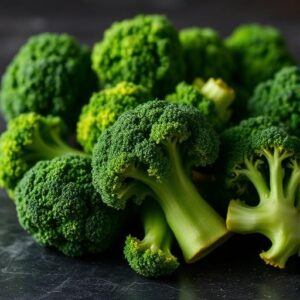
Broccoli
Rich in sulforaphane—a compound that crosses the blood-brain barrier and activates the Nrf2 pathway, the master regulator of the body’s antioxidant defense. Also provides high levels of vitamin K essential for brain lipid metabolism.
How it works
Sulforaphane activates Nrf2, which turns on over 200 protective genes including those producing glutathione—the brain’s primary antioxidant. Vitamin K is essential for sphingolipid synthesis, a major component of myelin sheaths that insulate nerve fibers for fast signal transmission.
🍽️ Serving suggestion
Eat 1 cup of lightly steamed broccoli 4-5 times per week. Light steaming preserves sulforaphane while making nutrients more bioavailable. Chop and let sit 40 minutes before cooking for maximum sulforaphane production.
-
High in vitamin K, folate, and antioxidants
-
Slow cognitive decline
☕ 6. Coffee & Green Tea



🥑 7. Avocados

🧠 How Avocados Boost Brain Health
1. Healthy Fats = Better Brain Function
Avocados are rich in monounsaturated fats, which:
-
Improve blood flow to the brain
-
Support the structure of brain cells
👉 Result: Sharper thinking, better memory, and sustained mental energy.
2. Vitamin E = Brain Protection
Avocados contain vitamin E, a powerful antioxidant that:
-
Protects brain cells from oxidative damage
-
Slows age-related cognitive decline (linked to conditions like Alzheimer’s disease)
3. Potassium = Nerve Signaling
High potassium levels help:
-
Maintain proper nerve function
-
Support communication between brain cells
👉 Result: Improved focus and coordination.
4. Folate (Vitamin B9) = Mental Clarity
Folate supports:
-
Neurotransmitter production
-
Mood regulation and cognitive performance
🍽️ Smart Serving Suggestions
✔ Recommended amount:
-
½ to 1 avocado per day
🥑 Easy Ways to Eat Avocados:
-
Spread on whole-grain toast (add eggs for extra brain power)
-
Blend into smoothies for creamy texture
-
Add to salads with olive oil and nuts
-
Make guacamole with tomatoes, onions, and lime
-
Pair with fish (like salmon) for a brain-boosting meal
⚠️ Tips
-
Choose ripe avocados (slightly soft when pressed)
-
Avoid overeating—they are healthy but calorie-dense
✅ Bottom Line
Avocados nourish your brain by improving blood flow, protecting neurons, and supporting mental clarity—making them one of the easiest foods to include in a brain-healthy diet.
-
Rich in healthy fats
-
Support blood flow to the brain
🍳 8. Eggs


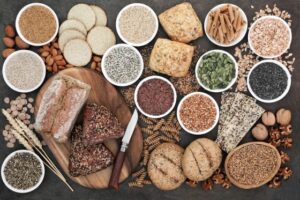
🌾 9. Whole Grains

🧠 Brain-Protective Eating Patterns
🥗 1. Mediterranean Diet
Rich in fruits, vegetables, fish, olive oil, and whole grains.
Benefits:
-
Reduces risk of Alzheimer’s disease
-
Improves memory and cognitive function
🥬 2. MIND Diet (Mediterranean + DASH)
Specifically designed for brain health.
Focuses on:
-
Berries
-
Leafy greens
-
Nuts
-
Fish
🚫 Foods That Harm Brain Health
Avoid or limit:
-
Refined sugars
-
Processed foods
-
Trans fats
-
Excess alcohol
These can increase inflammation and impair cognitive function.
⚡ Lifestyle Tips to Enhance Brain Function
🧘 1. Stay Physically Active
Exercise increases blood flow to the brain and promotes new brain cell growth.
😴 2. Prioritize Sleep
Sleep is essential for memory consolidation and brain repair.
💧 3. Stay Hydrated
Even mild dehydration can affect concentration and mood.
🧩 4. Challenge Your Brain
-
Reading
-
Puzzles
-
Learning new skills
🧘♂️ 5. Manage Stress
Chronic stress damages brain cells and affects memory.
🧾 Sample Brain-Boosting Daily Meal Plan
Breakfast:
-
Oatmeal with blueberries, walnuts, and honey
-
Green tea
Lunch:
-
Grilled salmon salad with spinach, avocado, and olive oil
Snack:
-
Dark chocolate + handful of almonds
Dinner:
-
Brown rice, sautéed vegetables, and chicken
🧠 Final Thoughts
Brain-boosting nutrition is not about a single “superfood,” but a consistent pattern of eating whole, nutrient-dense foods. By incorporating healthy fats, antioxidants, vitamins, and minerals into your daily meals, you can enhance your focus today while protecting your brain for the future.
A healthy brain starts on your plate—what you eat today shapes how you think tomorrow.
Important Note: While these foods support cognitive health, they are not a cure for neurological conditions. Cognitive health also depends on sleep quality, physical exercise, social engagement, and mental stimulation. If you experience memory concerns, consult a neurologist for proper evaluation.
