
Your kidneys filter 200 liters of blood daily, removing waste and balancing electrolytes. The right foods can reduce their workload, prevent stone formation, and slow the progression of kidney disease.
Over 850 million people worldwide are affected by kidney disease. Strategic dietary choices—focusing on low-potassium, low-phosphorus, anti-inflammatory foods—can protect nephrons and maintain kidney function for decades longer.
Protecting your kidneys through nutrition is one of the most effective ways to maintain long-term health—especially if you’re at risk of or living with Chronic Kidney Disease. The kidneys filter waste, balance fluids, and regulate minerals in your body. What you eat directly affects how hard they have to work.
Below is a detailed, practical guide to kidney-friendly nutrition and the foods that support kidney function naturally.
🩺 Understanding Kidney Health & Nutrition
Healthy kidneys:
-
Remove toxins from the blood
-
Balance fluids and electrolytes
-
Regulate blood pressure
In Chronic Kidney Disease:
-
Waste builds up in the body
-
Fluid balance becomes difficult
-
Certain nutrients (like sodium, potassium, phosphorus) must be controlled
👉 Nutrition helps by:
-
Reducing kidney workload
-
Preventing further damage
-
Supporting overall body balance
🥗 Key Principles of Kidney-Friendly Nutrition
1. Control Sodium (Salt Intake)
Too much salt increases blood pressure and strains kidneys.
Limit:
-
Processed foods
-
Packaged snacks
-
Excess table salt
Choose instead:
-
Fresh foods
-
Natural herbs and spices
👉 Benefit: Helps control blood pressure and fluid retention
2. Moderate Protein Intake
Protein is essential—but too much can overwork the kidneys.
Good protein sources:
-
Eggs
-
Fish
-
Chicken
-
Beans (in controlled portions)
👉 Tip:
-
Balance intake—not too high, not too low
3. Manage Potassium Levels
Potassium affects heart and muscle function. In kidney disease, levels can rise dangerously.
Lower-potassium options:
-
Apples
-
Cabbage
-
Rice
-
Cucumbers
Higher-potassium foods (limit if needed):
-
Bananas
-
Potatoes
-
Avocados
👉 Important: Needs depend on your kidney condition stage
4. Control Phosphorus Intake
Too much phosphorus weakens bones in kidney disease.
Limit:
-
Processed foods
-
Soft drinks
-
Dairy (in excess)
Better options:
-
Fresh vegetables
-
Rice milk alternatives
5. Stay Hydrated (But Not Excessively)
Water helps kidneys remove waste—but intake may need adjustment in advanced kidney disease.
🥦 Foods That Protect & Support Your Kidneys
🟢 1. Leafy Greens (Low Potassium Options)
Cabbage
Fiber-rich kidney cleanser
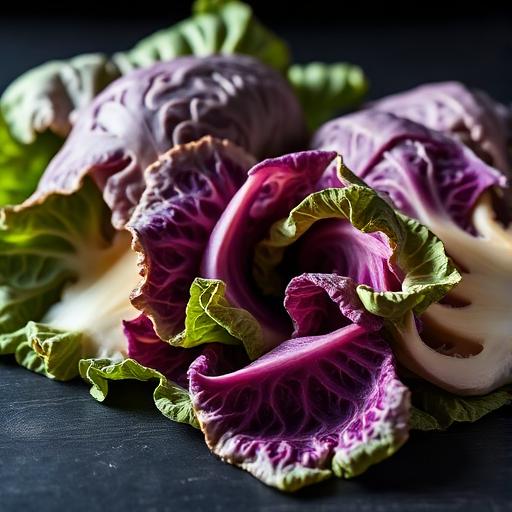

Low in potassium and rich in phytochemicals, cabbage supports kidney health through its high fiber content (aiding waste elimination) and vitamin K which prevents vascular calcification.
How it works
Insoluble fiber binds to waste products in the gut, reducing the kidney’s filtration workload. Vitamin K activates matrix GLA protein which prevents calcium deposits in renal blood vessels. Anthocyanins in purple cabbage provide additional antioxidant protection.
🍽️ Serving suggestion
Add raw to coleslaw, ferment as sauerkraut for probiotic benefits, or stir-fry with garlic and olive oil. Aim for 1 cup several times per week. Purple cabbage offers higher antioxidant content.
Examples:
-
Lettuce
👉 Benefits:
-
Rich in antioxidants
-
Support detoxification
🍎 2. Kidney-Friendly Fruits
UTI & kidney stone prevention
Cranberries
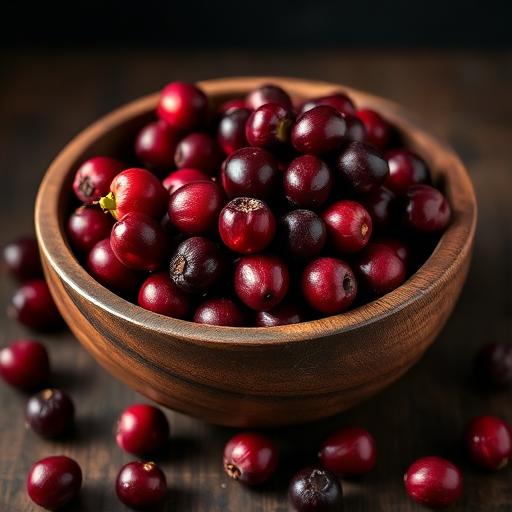
Cranberries contain A-type proanthocyanidins (PACs) that prevent bacteria from adhering to the urinary tract walls, reducing infection risk. They also contain quinic acid which prevents calcium and phosphate kidney stones.
How it works
PACs alter the surface properties of E. coli bacteria, preventing them from binding to uroepithelial cells. Quinic acid is converted to hippuric acid in the liver, which acidifies urine and prevents mineral crystallization.
🍽️ Serving suggestion
Drink 240ml unsweetened cranberry juice daily or eat ½ cup fresh cranberries. Avoid sweetened versions as excess sugar strains kidneys. Combine with adequate water intake for best results.
Examples:
-
Apples
-
Berries
-
Pineapple
👉 Benefits:
-
Low in potassium (many options)
-
High in vitamins and fiber
🧄 3. Garlic & Onions
Anti-inflammatory renal protector
Garlic
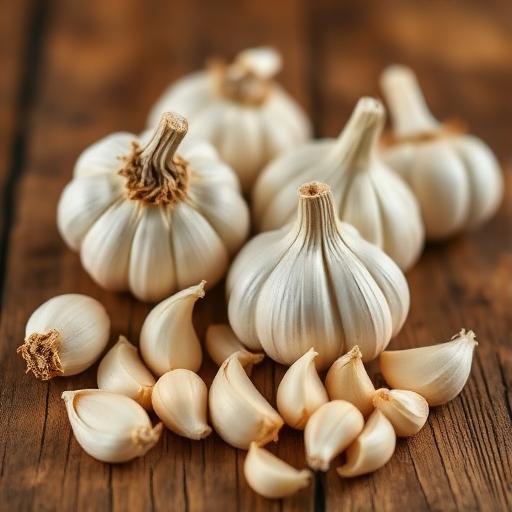
Allicin and other organosulfur compounds in garlic reduce kidney inflammation, lower blood pressure (a key factor in kidney disease), and provide antioxidant protection to nephrons.
How it works
Allicin inhibits angiotensin II production, lowering blood pressure and reducing strain on glomeruli. Diallyl sulfide protects kidney tubular cells from oxidative injury. Also serves as a flavor substitute for salt.
🍽️ Serving suggestion
Use 2-3 crushed cloves daily in cooking as a salt substitute. Let crushed garlic sit 10 minutes before cooking to maximize allicin. Roasted garlic makes an excellent sodium-free spread.
👉 Benefits:
-
Natural anti-inflammatory
-
Help reduce blood pressure
-
Add flavor without salt
🫒 4. Healthy Fats
Anti-inflammatory healthy fat
Extra Virgin Olive Oil
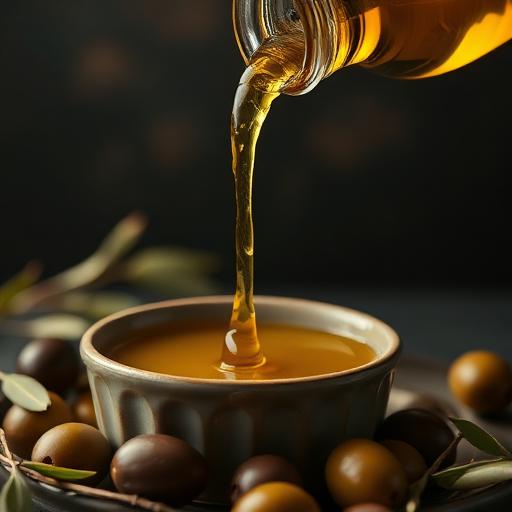
Rich in oleocanthal (a natural anti-inflammatory comparable to ibuprofen) and polyphenols that protect kidney tissue from chronic inflammation and oxidative stress.
How it works
Oleocanthal inhibits COX-1 and COX-2 enzymes, reducing prostaglandin-mediated inflammation in renal tissue. Oleic acid improves endothelial function in kidney blood vessels. Polyphenols scavenge free radicals that damage nephrons.
🍽️ Serving suggestion
Use 2-3 tablespoons daily for cooking and dressing salads. Choose cold-pressed EVOO for maximum polyphenol content. Drizzle over vegetables instead of butter or cheese sauces.
Examples:
-
Olive oil
-
Small amounts of avocado
👉 Benefits:
-
Reduce inflammation
-
Support heart health (important for kidney patients)
🐟 5. Fatty Fish
Examples:
-
Sardines
-
Salmon
👉 Benefits:
-
Rich in omega-3 fatty acids
-
Reduce inflammation
🥒 6. Hydrating Vegetables
Low-potassium vitamin C source
Red Bell Peppers
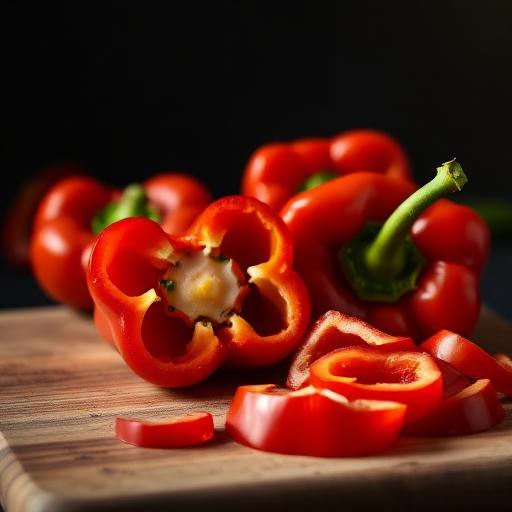
Unlike many vegetables that are high in potassium, red bell peppers deliver exceptional vitamin C, vitamin A, and antioxidants while being kidney-friendly with very low potassium and phosphorus content.
How it works
Vitamin C acts as a powerful antioxidant that protects kidney cells from oxidative damage. Lycopene in red peppers reduces inflammation in renal tissue. Low potassium content makes them safe for compromised kidneys.
🍽️ Serving suggestion
Add raw slices to salads, stuff with lean protein, or roast as a side dish. Eat 1 medium pepper daily. Raw consumption preserves the most vitamin C content.
Examples:
-
Cucumbers
-
Zucchini
👉 Benefits:
-
Support hydration
-
Low in potassium
🍚 7. Low-Phosphorus Grains
Examples:
-
White rice
-
Refined grains (in moderation for kidney patients)
👉 Note:
Unlike diabetes diets, kidney diets may include some refined grains to reduce phosphorus intake.
🫘 8. Controlled Legumes
Beans and lentils can be included but in moderation due to potassium and phosphorus.
⚠️ Foods to Limit or Avoid
🚫 High-Sodium Foods
-
Processed meats
-
Fast food
-
Instant noodles
🚫 High-Potassium Foods (if restricted)
-
Bananas
-
Potatoes
-
Tomatoes (large amounts)
🚫 High-Phosphorus Foods
-
Cola drinks
-
Processed cheese
-
Packaged foods with additives
🚫 Excess Protein
-
Large portions of meat
-
High-protein diets
🧠 Smart Food Combinations for Kidney Health
✔ Balanced meal example:
-
Grilled fish
-
Cabbage
-
Small portion of rice
-
Olive oil
👉 Helps:
-
Control minerals
-
Reduce kidney strain
🥗 Sample Kidney-Friendly Plate
-
½ plate: Low-potassium vegetables
-
¼ plate: Protein (moderate portion)
-
¼ plate: Grains
-
Add: Healthy fats
🌿 Lifestyle Tips for Kidney Protection
🚶♂️ Stay Active
-
Helps control blood pressure
💧 Monitor Fluid Intake
-
Follow doctor’s advice
🩺 Control Blood Sugar & Pressure
Important for preventing Chronic Kidney Disease progression
🚭 Avoid Smoking
-
Reduces kidney blood flow
🗓️ 7-Day Kidney-Friendly Meal Plan (Balanced & Practical)
⚠️ Note: This plan is suitable for early to moderate kidney concerns. Advanced cases may require stricter potassium, phosphorus, and fluid control.
🥗 Day 1
Breakfast: Oatmeal (small portion) + apple slices
Lunch: Grilled fish + cabbage + white rice
Dinner: Vegetable soup (carrots, zucchini) + boiled egg
Snack: Pineapple
🥗 Day 2
Breakfast: White toast + scrambled eggs
Lunch: Chicken + sukuma wiki (moderate portion) + rice
Dinner: Lentil soup (small portion) + salad
Snack: Grapes
🥗 Day 3
Breakfast: Millet porridge (light, no added salt)
Lunch: Fish stew + cabbage + ugali (small portion)
Dinner: Egg + cucumber salad
Snack: Apple
🥗 Day 4
Breakfast: Yogurt (small portion) + berries
Lunch: Grilled chicken + spinach (moderate) + rice
Dinner: Vegetable stir-fry + egg
Snack: Pineapple
🥗 Day 5
Breakfast: Oats + cinnamon
Lunch: Beans (small portion) + cabbage + rice
Dinner: Fish + zucchini + salad
Snack: Watermelon
🥗 Day 6
Breakfast: Boiled eggs + white toast
Lunch: Chicken stew + greens + small ugali
Dinner: Vegetable soup
Snack: Pear
🥗 Day 7
Breakfast: Smoothie (apple + cucumber + small yogurt)
Lunch: Fish + cabbage + rice
Dinner: Egg + vegetable mix
Snack: Grapes
🍲 Kidney-Friendly Recipes
🥣 1. Low-Sodium Vegetable Soup
Ingredients:
-
Cabbage
-
Carrots
-
Zucchini
-
Garlic, onion
Instructions:
Boil and simmer with minimal salt.
👉 Benefit: Reduces kidney workload, low in potassium
🐟 2. Lemon Garlic Grilled Fish
Ingredients:
-
Fish
-
Lemon juice
-
Garlic
Instructions:
Marinate and grill without added salt.
👉 Benefit: Lean protein, kidney-friendly
🥗 3. Cucumber & Apple Salad
Ingredients:
-
Cucumber
-
Apple
-
Olive oil
Instructions:
Slice and mix.
👉 Benefit: Hydrating, low potassium
🍳 4. Egg & Cabbage Stir-Fry
Ingredients:
-
Eggs
-
Cabbage
-
Onion
Instructions:
Cook cabbage, then add eggs.
👉 Benefit: Balanced protein, low mineral load
🫘 5. Light Lentil Stew (Controlled Portion)
Ingredients:
-
Lentils
-
Tomatoes
-
Garlic
Instructions:
Cook thoroughly and eat in small amounts.
👉 Benefit: Protein + fiber (portion controlled)
🛒 Kidney-Friendly Shopping List
🥬 Vegetables (Lower Potassium Focus)
-
Cabbage
-
Cucumbers
-
Zucchini
-
Carrots
-
Lettuce
🍎 Fruits (Safer Options)
-
Apples
-
Pineapple
-
Grapes
-
Pears
-
Watermelon
🐟 Protein Sources
-
Fish
-
Chicken
-
Eggs
🌾 Grains
-
White rice
-
Oats (moderate)
-
White bread
🫒 Healthy Fats
-
Olive oil
-
Small avocado portions
⚖️ Portion & Nutrient Control Guide
🧂 Sodium
-
Limit salt to very small amounts
-
Avoid processed foods
🥩 Protein
-
Moderate intake (not high-protein diet)
🍌 Potassium
Adjust depending on condition:
-
Limit high-potassium foods if advised
🥛 Phosphorus
-
Reduce processed foods
-
Limit excess dairy
🧠 Smart Eating Strategies
✔️ Flavor Without Salt
Use:
-
Garlic
-
Lemon
-
Herbs
✔️ Control Portions
-
Small servings of protein
-
More vegetables
✔️ Read Labels
Avoid:
-
“Phosphate additives”
-
High sodium foods
📘 Bonus: Kidney-Friendly Daily Plate
-
½ plate → Low-potassium vegetables
-
¼ plate → Protein (fish, egg, chicken)
-
¼ plate → Grains (rice, ugali small portion)
-
Add → Healthy fats
🌱 Final Takeaway
Kidney-friendly nutrition focuses on:
-
Reducing stress on kidneys
-
Balancing key minerals
-
Eating fresh, simple foods
With consistency, this approach helps:
✔ Protect kidney function
✔ Slow progression of Chronic Kidney Disease
✔ Improve overall health
Important Disclaimer: Kidney disease requires careful dietary management tailored to your stage of CKD. Potassium, phosphorus, and protein needs vary significantly between stages. Always consult your nephrologist before making dietary changes, especially if you are on dialysis or have been advised to restrict specific nutrients.
