
Evidence-based foods that support healthy blood sugar levels, improve insulin sensitivity, and help prevent complications—empowering you to manage diabetes through strategic nutrition.
Over 500 million people worldwide live with diabetes. While medication is essential, research consistently shows that the right foods can significantly improve glycemic control. These foods contain specific compounds that mimic, enhance, or complement insulin’s action in the body.
-
Blood Sugar Control
Foods with a low glycemic index release glucose slowly, preventing dangerous spikes and crashes. Fiber, healthy fats, and specific compounds help maintain steady blood sugar levels throughout the day.
-
Insulin Sensitivity
Certain nutrients like magnesium, chromium, and polyphenols improve how effectively your cells respond to insulin—reducing the amount needed to manage blood glucose.
-
Complication Prevention
Antioxidants and anti-inflammatory compounds protect blood vessels, nerves, and organs from the oxidative damage that chronic high blood sugar causes over time.
Managing blood sugar through nutrition is one of the most powerful tools for preventing and controlling Type 2 Diabetes and improving overall metabolic health. The goal isn’t to eliminate carbohydrates entirely—it’s to choose the right kinds of foods and combine them wisely to keep glucose levels stable.
🔍 What Happens in Blood Sugar Imbalance?
When you eat, your body converts carbohydrates into glucose (sugar), which enters the bloodstream. The hormone insulin helps move glucose into cells for energy.
In conditions like Type 2 Diabetes:
-
The body becomes resistant to insulin
-
Blood sugar levels remain high
-
Over time, this can damage organs, nerves, and blood vessels
👉 Nutrition helps by:
-
Slowing glucose absorption
-
Improving insulin sensitivity
-
Preventing spikes and crashes
🥗 Key Principles of Diabetes-Friendly Eating
1. Focus on Low Glycemic Index (GI) Foods
The Glycemic Index measures how quickly foods raise blood sugar.
Choose Low-GI Foods:
-
Whole grains (oats, brown rice)
-
Legumes (beans, lentils)
-
Most vegetables
-
Some fruits (apples, berries)
👉 Benefits:
-
Slower glucose release
-
Better blood sugar control
2. Balance Macronutrients
Every meal should include:
-
Carbohydrates (preferably complex)
-
Protein
-
Healthy fats
👉 Why this matters:
-
Protein + fat slow down sugar absorption
-
Prevent sharp spikes in blood glucose
3. Prioritize Fiber
Fiber is essential for blood sugar regulation.
High-fiber foods:
-
Vegetables (spinach, broccoli)
-
Fruits (with skin)
-
Whole grains
-
Seeds (chia, flax)
👉 Benefits:
-
Slows digestion
-
Improves insulin response
-
Supports gut health
4. Control Portion Sizes
Even healthy carbohydrates can raise blood sugar if eaten in large amounts.
👉 Tips:
-
Use smaller plates
-
Limit portions of rice, ugali, and bread
-
Fill half your plate with vegetables
5. Eat Regularly
Skipping meals can cause blood sugar swings.
👉 Best approach:
-
Eat every 3–4 hours
-
Include healthy snacks if needed
🍽️ Foods That Help Manage Blood Sugar Naturally
🥬 1. Non-Starchy Vegetables
Examples:
-
Spinach
-
Sukuma wiki
-
Broccoli
-
Cabbage
👉 Why they help:
-
Very low in carbohydrates
-
High in fiber and nutrients
-
Do not spike blood sugar
🫘 2. Legumes (Beans, Lentils, Chickpeas)
👉 Benefits:
-
High in protein + fiber
-
Slow digestion
-
Improve long-term glucose control
🐟 3. Lean Proteins
Examples:
-
Fish (tilapia, sardines)
-
Chicken
-
Eggs
👉 Benefits:
-
Do not raise blood sugar
-
Help maintain fullness
-
Support muscle health
🥑 4. Healthy Fats
Walnuts & Almonds
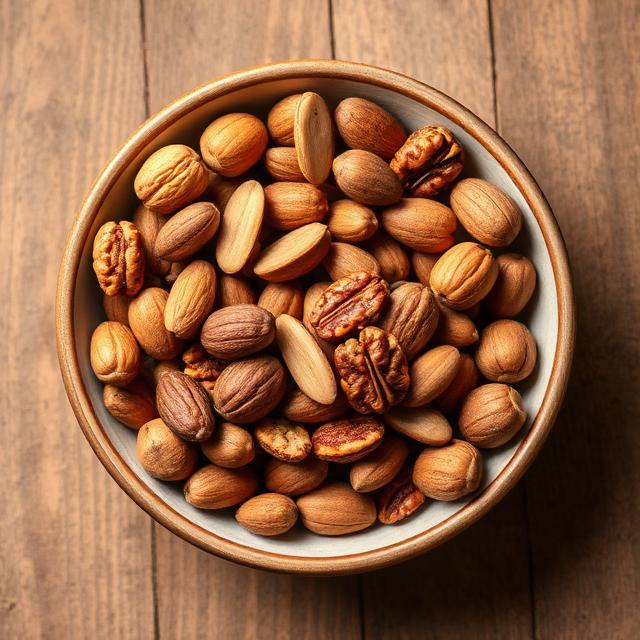

Tree nuts are rich in magnesium, fiber, and monounsaturated fats—a combination shown to improve insulin sensitivity and reduce HbA1c levels by 0.3–0.5%.
How it works
Magnesium is a cofactor for 300+ enzymes including those in glucose metabolism. Low magnesium is linked to insulin resistance. Fiber and fats slow carbohydrate absorption.
🍽️ Serving suggestion
Eat a small handful (28g) of raw, unsalted nuts daily as a snack or added to salads. Almonds before meals can reduce post-meal glucose spikes by 30%.
Examples:
-
Avocado
-
Nuts
-
Seeds
-
Olive oil
👉 Benefits:
-
Slow carbohydrate absorption
-
Improve insulin sensitivity
-
Reduce cravings
🌾 5. Whole Grains (in moderation)
Steel-Cut Oats
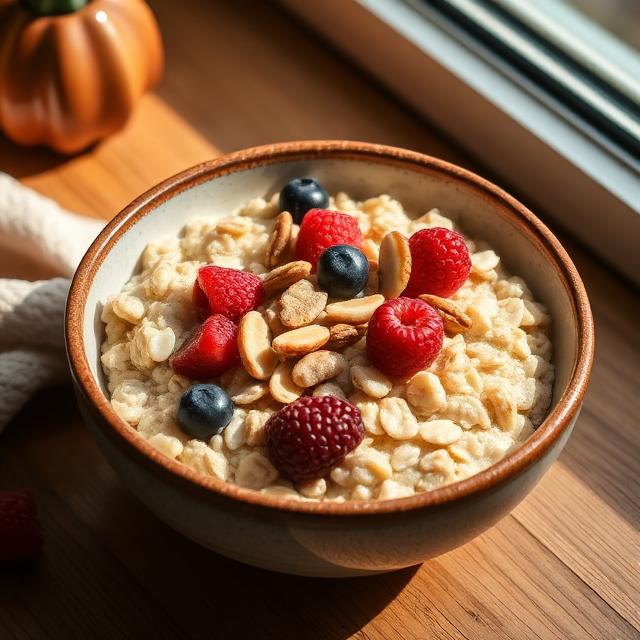
Unlike processed oats, steel-cut oats have a low glycemic index and are rich in beta-glucan fiber, which forms a gel that slows glucose absorption significantly.
How it works
Beta-glucan fiber increases the viscosity of stomach contents, slowing gastric emptying and glucose absorption. It also improves insulin sensitivity over time and reduces LDL cholesterol.
🍽️ Serving suggestion
Have ½ cup cooked steel-cut oats for breakfast, topped with cinnamon and nuts. Avoid instant oats as they have a much higher glycemic response.
Examples:
-
Brown rice
-
Oats
-
Millet
-
Sorghum
👉 Benefits:
-
Lower GI than refined grains
-
Provide sustained energy
🍓 6. Low-Sugar Fruits
Bitter Melon
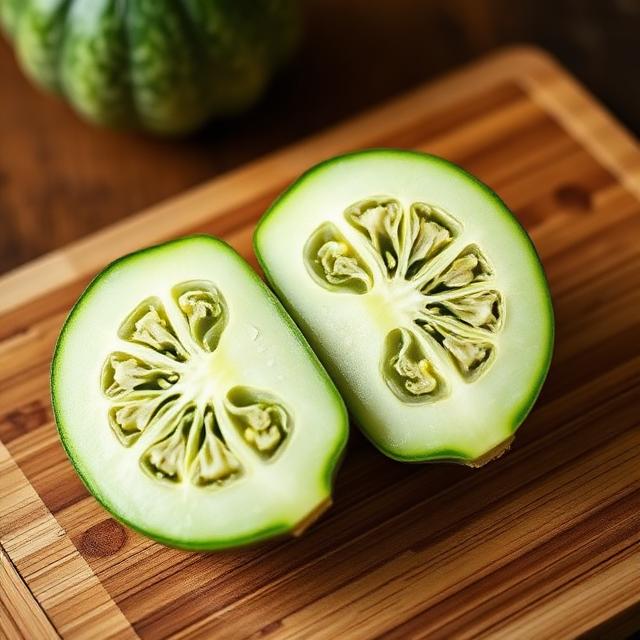
Contains three active compounds—charantin, vicine, and polypeptide-p—that work together to lower blood glucose through multiple pathways.
How it works
Polypeptide-p acts like insulin, helping glucose enter cells. Charantin stimulates pancreatic beta cells to produce more insulin and improves glycogen synthesis in the liver.
🍽️ Serving suggestion
Consume as juice (60ml daily), stir-fried, or in curries 2–3 times per week. Start with small portions as the taste is acquired.
Examples:
-
Apples
-
Berries
-
Pawpaw
-
Guava
👉 Benefits:
-
Provide vitamins + fiber
-
Safer for blood sugar than sugary snacks
🧄 7. Blood Sugar-Supporting Foods
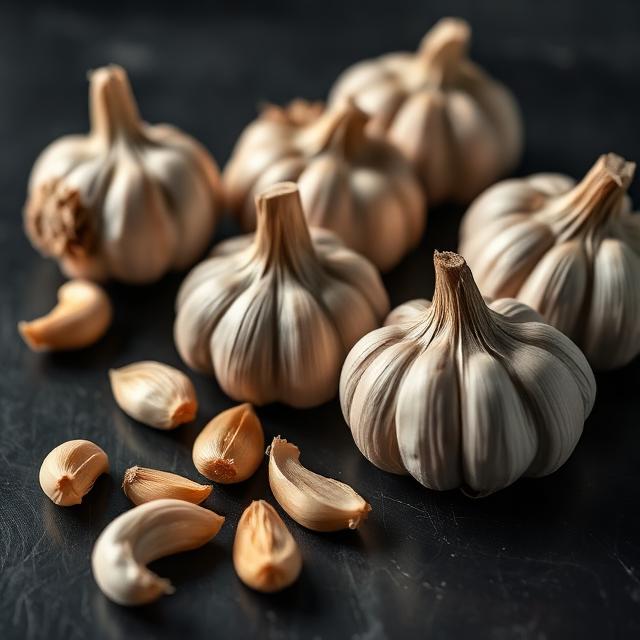
Garlic
Allicin and other sulfur compounds in garlic enhance insulin secretion, improve glucose tolerance, and reduce oxidative stress associated with diabetes complications.
How it works
Allicin stimulates the pancreas to release insulin and increases the number of insulin receptors on cell surfaces. Sulfur compounds also protect blood vessels from glycation damage.
🍽️ Serving suggestion
Crush 2–3 raw cloves and let them sit 10 minutes before cooking to maximize allicin production. Use liberally in cooking daily.
-
May improve insulin sensitivity
Ginger
-
Helps reduce inflammation
Cinnamon
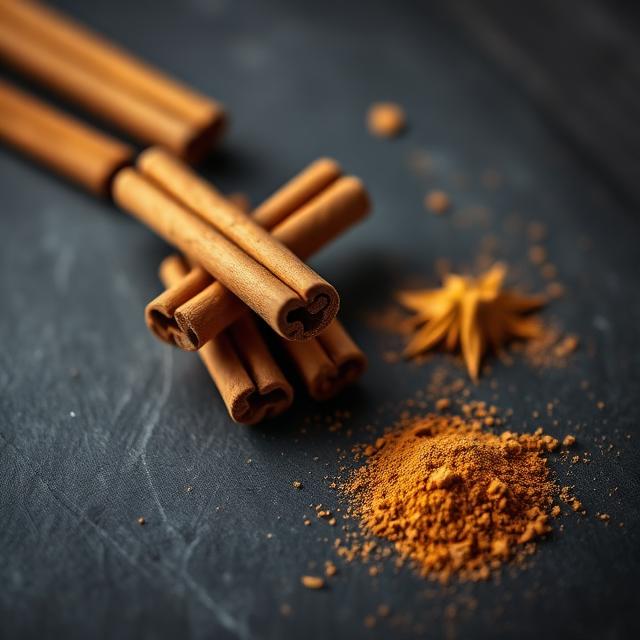
Ceylon cinnamon contains cinnamaldehyde, which mimics insulin activity and can lower fasting blood glucose by 10–29% in clinical studies.
How it works
Cinnamaldehyde activates insulin receptors, increasing glucose uptake by cells. It also slows gastric emptying, reducing post-meal blood sugar spikes.
🍽️ Serving suggestion
Add ½–1 teaspoon of Ceylon cinnamon to oatmeal, coffee, or smoothies daily. Avoid Cassia cinnamon in large amounts due to coumarin content.
-
May help lower fasting blood sugar
🥛 8. Fermented Foods
Examples:
-
Yogurt
-
Kefir
👉 Benefits:
-
Support gut health
-
Improve metabolic balance
⚠️ Foods to Limit or Avoid
🚫 Refined Carbohydrates
-
White bread
-
White rice
-
Sugary cereals
🚫 Sugary Foods & Drinks
-
Soda
-
Candy
-
Sweetened juices
🚫 Highly Processed Foods
-
Packaged snacks
-
Fast food
👉 These cause:
-
Rapid blood sugar spikes
-
Increased insulin resistance
🧠 How Food Combinations Affect
Blood Sugar
Instead of eating carbs alone:
❌ White rice alone → rapid spike
✅ Rice + beans + vegetables → slower absorption
👉 This is because:
-
Fiber slows digestion
-
Protein stabilizes glucose
-
Fat delays absorption
🥗 Sample Diabetes-Friendly Plate
-
½ plate: Vegetables
-
¼ plate: Protein (fish, chicken, beans)
-
¼ plate: Whole grains (brown rice, ugali)
-
-
Healthy fat (avocado or nuts)
-
🌿 Lifestyle Tips for Better Blood Sugar Control
1. Stay Active
-
Walking after meals lowers blood sugar
2. Stay Hydrated
-
Water helps regulate glucose levels
3. Manage Stress
-
Stress hormones raise blood sugar
4. Get Enough Sleep
-
Poor sleep affects insulin function
Daily Meal Planning
What to Eat Every Day to Maintain Blood Sugar
A practical, science-backed daily eating guide with specific portions, glycemic impact ratings, and explanations of how each food helps manage diabetes.

-
Meal Timing Matters
Eat meals at consistent times daily. Irregular meal timing disrupts circadian insulin rhythms and can raise fasting glucose by 10–15%.
-
Hydration Strategy
Drink 2–3 liters of water daily. Even mild dehydration (1–2%) concentrates blood sugar. Add lemon or cucumber for flavor without glucose impact.
-
The Veggie-First Rule
Eat vegetables and protein before carbohydrates at each meal. Studies show this simple order change reduces post-meal glucose spikes by 35–40%.
Breakfast (7–9 AM)
Start with low-GI, high-fiber foods to set stable blood sugar for the day.
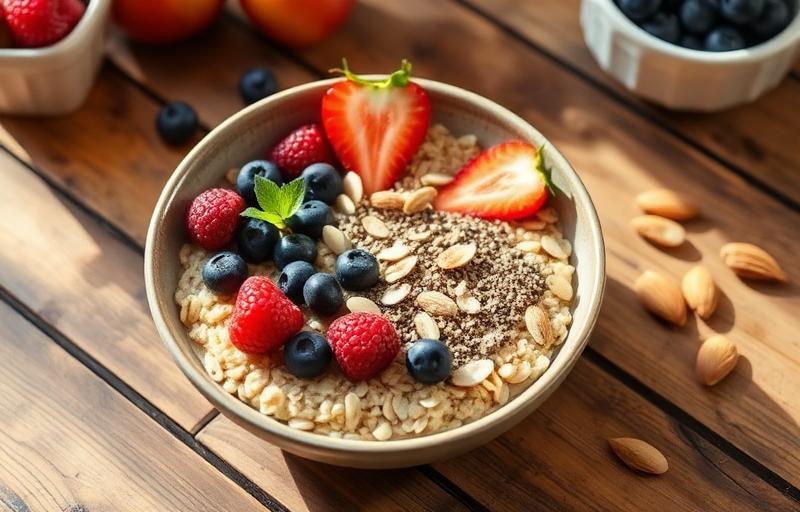
Steel-Cut Oats with Cinnamon & Walnuts
Beta-glucan fiber slows glucose absorption; cinnamon mimics insulin; walnuts add healthy fats that prevent spikes.
Greek Yogurt with Berries & Chia Seeds
High protein stabilizes blood sugar; berries are low-GI fruits rich in anthocyanins that improve insulin sensitivity.
Vegetable Egg Scramble
Protein and healthy fats with virtually no carb impact. Spinach provides magnesium for glucose metabolism.
Whole Grain Toast with Almond Butter
Sprouted grains have lower GI than regular bread. Almond butter adds protein and monounsaturated fats.
Lunch (12–2 PM)
Focus on lean protein, non-starchy vegetables, and complex carbohydrates.
Dinner (6–8 PM)
Lighter portions with emphasis on protein and fiber to prevent overnight glucose elevation.
Smart Snacks (Between Meals)
Keep blood sugar steady between meals with protein-fat-fiber combinations.
🍽️ The Diabetic Plate Method
½
Non-Starchy Vegetables
Leafy greens, broccoli, cauliflower, peppers, tomatoes, cucumber, zucchini
¼
Lean Protein
Fish, chicken, tofu, eggs, legumes, Greek yogurt, cottage cheese
¼
Complex Carbs
Brown rice, quinoa, sweet potato, whole grain bread, lentils, beans
Follow this plate ratio at every meal. Add a thumb-sized portion of healthy fat (olive oil, avocado, nuts) to slow glucose absorption further.
📋 Full Week at a Glance
Day |
☕ Breakfast |
🍽️ Lunch |
🌙 Dinner |
🍎 Snack |
|---|---|---|---|---|
| Sun | Avocado Toast with Poached Egg | Mediterranean Stuffed Bell Peppers | Slow-Cooker Chicken & Vegetable Stew | Mixed Nuts & Seeds |
| Mon | Whole Grain Toast with Almond Butter | Asian Tofu & Edamame Bowl | Mediterranean Bean Salad | Hummus with Vegetable Sticks |
| Tue | Overnight Chia Pudding | Tuna & White Bean Salad | Stuffed Portobello Mushrooms | Cottage Cheese with Cucumber |
| Wed | Steel-Cut Oats with Cinnamon & Walnuts | Grilled Salmon with Quinoa & Roasted Vegetables | Baked Cod with Sweet Potato & Steamed Greens | Dark Chocolate & Almonds |
| Thu | Greek Yogurt with Berries & Chia Seeds | Lentil & Vegetable Soup | Grilled Chicken with Cauliflower Mash | Hard-Boiled Eggs with Turmeric |
| Fri | Vegetable Egg Scramble | Chicken & Chickpea Buddha Bowl | Herb-Crusted Tilapia with Zucchini Noodles | Apple Slices with Peanut Butter |
| Sat | Cottage Cheese & Flaxseed Bowl | Turkey & Avocado Lettuce Wraps | Tofu Stir-Fry with Brown Rice | Edamame with Sea Salt |
📏 Recommended Daily Carb Ranges for Diabetics
Aggressive blood sugar control
Most commonly recommended
Active individuals with good control
Consult your healthcare provider to determine the right carb target for your individual needs, activity level, and medication.
📊 Understanding Glycemic Index (GI)
-
Low GI (0–55): Slow rise in blood sugar ✅ (best choice)
-
Medium GI (56–69): Moderate effect ⚖️
-
High GI (70+): Rapid spike ❌ (limit)
🍞 Glycemic Index Lookup Table (Common Foods)
🟢 Low GI Foods (Best for Blood Sugar Control)
🌾 Grains & Staples
-
Oats → GI ~55
-
Brown rice → GI ~50
-
Millet → GI ~50
-
Sorghum → GI ~48
🫘 Legumes
-
Lentils → GI ~30
-
Chickpeas → GI ~28
-
Beans → GI ~24–40
🥬 Vegetables (Very Low GI)
-
Spinach → GI ~15
-
Broccoli → GI ~10
-
Cabbage → GI ~10
-
Sukuma wiki → very low
🍎 Fruits
-
Apple → GI ~36
-
Orange → GI ~40
-
Guava → GI ~12–24
-
Pawpaw (papaya) → GI ~60 (moderate but okay in small portions)
🥑 Fats & Proteins (No GI Impact)
-
Avocado → GI ~0
-
Eggs → GI ~0
-
Fish → GI ~0
-
Chicken → GI ~0
👉 These do not raise blood sugar directly.
🟡 Medium GI Foods (Eat in Moderation)
-
Whole wheat bread → GI ~65
-
Sweet potato → GI ~60
-
Pineapple → GI ~59
-
Honey → GI ~58
🔴 High GI Foods (Limit or Avoid)
🍚 Refined Grains
-
White rice → GI ~70–90
-
White bread → GI ~75
🍬 Sugary Foods
-
Sugar → GI ~65
-
Soft drinks → GI ~70+
🥔 Processed Carbs
-
French fries → GI ~75
-
Cornflakes → GI ~80+
🧠 Important Notes About GI
1. GI Changes With Food Combinations
Example:
-
❌ White rice alone → high spike
-
✅ Rice + beans + vegetables → lower overall GI
2. Cooking Method Matters
-
Overcooked foods → higher GI
-
Whole foods → lower GI
3. Portion Size Still Matters
Even low GI foods can raise blood sugar if eaten in large amounts.
⚖️ Glycemic Load (GL) – Even More Important
While GI measures speed, glycemic load considers quantity.
👉 Example:
-
Watermelon has high GI but low carbs → low impact overall
🥗 Practical Tips for Using GI Daily
✔️ Choose Low GI as Your Base
-
Build meals around legumes, vegetables, whole grains
✔️ Pair Smartly
Always combine:
-
Carbs + protein + healthy fats
✔️ Eat Fiber First
-
Start meals with vegetables
✔️ Avoid Liquid Sugars
-
Juice spikes blood sugar faster than whole fruit
🌱 Sample Low-GI Meal Example
-
Grilled fish
-
Sukuma wiki
-
Small portion of brown rice
-
Avocado
👉 Balanced, filling, and blood sugar-friendly
🔑 Final Takeaway
Using the Glycemic Index helps you:
-
Prevent blood sugar spikes
-
Control hunger
-
Manage Type 2 Diabetes effectively
The key is not perfection—but consistently choosing better options.
