Liver-Supportive Nutrition: Best Foods and Nutrients for a Healthy Liver
Discover the best liver-supportive foods and nutrients that help detoxify, repair, and protect your liver naturally. Learn how to boost liver health with the right diet.
Your liver performs over 500 vital functions—from filtering blood to producing bile, metabolizing drugs, and storing energy. It processes everything you eat, drink, breathe, and absorb through your skin.
Liver disease affects over 1.5 billion people worldwide, with NAFLD being the most common. These six foods contain specific compounds that enhance detoxification pathways, reduce hepatic fat, and protect liver cells from oxidative damage.
Detoxification Support
The liver processes every toxin, drug, and metabolic waste product in your body. Phase I and II detox pathways require specific nutrients—deficiency impairs your body’s ability to neutralize harmful substances.
Fat Metabolism
Non-alcoholic fatty liver disease affects 25% of adults globally. Specific compounds activate fat-burning enzymes in hepatocytes, preventing the dangerous accumulation of triglycerides that leads to inflammation and fibrosis.
Cellular Regeneration
The liver is the only organ that can fully regenerate. Antioxidants and anti-inflammatory compounds protect hepatocytes from damage while supporting the remarkable regenerative capacity of liver tissue.
When supported with the right nutrition, the liver can:
Remove harmful toxins efficiently
Regenerate damaged cells
Reduce inflammation and fat buildup
Improve overall energy and metabolism
Poor diet (high sugar, alcohol, processed foods) can lead to conditions like Fatty Liver Disease and long-term liver damage.
🧠 How Liver-Supportive Nutrition Works
1. Enhances Natural Detox Pathways
The liver detoxifies in two main phases:
Phase 1: Breaks down toxins
Phase 2: Converts toxins into water-soluble forms for elimination
Certain nutrients (like sulfur, antioxidants, and B vitamins) support these processes.
2. Reduces Inflammation
Chronic inflammation damages liver cells. Anti-inflammatory foods help protect and repair liver tissue.
3. Boosts Antioxidant Defense
The liver uses antioxidants like glutathione to neutralize toxins. Foods that increase glutathione are essential.
4. Prevents Fat Accumulation
Healthy fats and fiber help prevent fat buildup in the liver (a key cause of Fatty Liver Disease).
🥗 10 Foods That Detoxify & Restore Your Liver
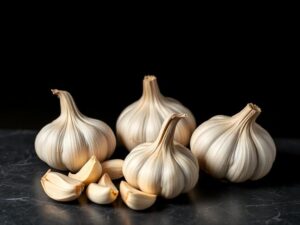
🧄 1. Garlic – Natural Liver Cleanser
Allicin and selenium in garlic activate liver detoxification enzymes, reduce oxidative stress in hepatocytes, and have been shown to reduce liver fat in people with non-alcoholic fatty liver disease (NAFLD).
🫀 Activates CYP450 enzymes
How it works
Allicin activates cytochrome P450 enzymes (phase I detoxification) while selenium is a cofactor for glutathione peroxidase (phase II). Diallyl disulfide (DADS) specifically protects against acetaminophen-induced liver toxicity by maintaining glutathione levels.
🍽️ Serving suggestion
Eat 2-3 fresh garlic cloves daily. Crush and let sit 10 minutes before cooking to maximize allicin formation. Raw garlic in dressings or dips provides the most potent liver benefits. Aged garlic extract is a gentler alternative for sensitive stomachs.
🔬 Allicin + Selenium — 14.2mcg/oz
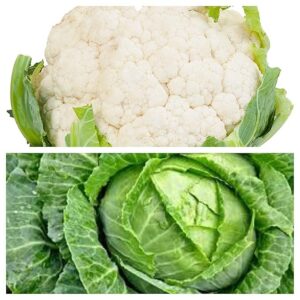
🥦 2. Cruciferous Vegetables (Broccoli, Cabbage)
Brussels sprouts, broccoli, and kale are rich in sulforaphane and indole-3-carbinol—compounds that dramatically increase glutathione production, the liver’s most important antioxidant and detoxification molecule.
🫀 Boosts glutathione 300%
How it works
Sulforaphane activates the Nrf2 transcription factor, which turns on genes for glutathione synthesis, glutathione peroxidase, and glutathione reductase. Indole-3-carbinol supports estrogen metabolism in the liver, reducing the burden of hormone processing.
🍽️ Serving suggestion
Eat 1-2 cups of cruciferous vegetables daily. Chop and let sit 40 minutes before cooking to maximize sulforaphane via myrosinase enzyme activity. Light steaming preserves more nutrients than boiling. Rotate between broccoli, Brussels sprouts, and kale.
🔬 Sulforaphane + Indole-3-carbinol
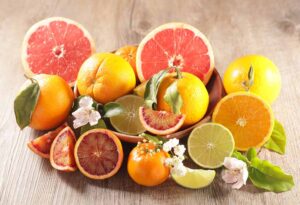
🍋 3. Citrus Fruits (Lemons, Oranges)
Grapefruit
Naringenin and naringin—two powerful antioxidants in grapefruit—protect hepatocytes from damage, reduce liver inflammation, and activate fat-burning pathways that prevent non-alcoholic fatty liver disease (NAFLD).
🫀 Reduces hepatic fat 28%
How it works
Naringenin activates AMPK (AMP-activated protein kinase), which stimulates fatty acid oxidation in the liver while inhibiting lipogenesis. It also activates PPARα, enhancing the liver’s ability to burn stored fat. Naringin reduces fibrosis by inhibiting TGF-β signaling.
🍽️ Serving suggestion
Eat half a grapefruit before meals or drink fresh juice. ⚠️ IMPORTANT: Grapefruit interacts with many medications (statins, blood thinners, immunosuppressants). Always check with your doctor if you take any medications.
🔬 Naringenin — 47mg per fruit
🥑 4. Avocados – Liver Repair Food
1. Boosts Glutathione (Master Detox Antioxidant) Avocados help increase glutathione, a key compound the liver uses to neutralize toxins. 👉 Result: Enhanced detoxification and protection against harmful substances.
2. Reduces Liver Inflammation Rich in healthy monounsaturated fats and antioxidants, avocados:
Lower inflammation in liver cells
Protect against damage from toxins and poor diet
👉 This is especially important in preventing or managing Fatty Liver Disease.
3. Prevents Fat Build-Up in the Liver Healthy fats in avocados:
Improve lipid metabolism
Help reduce excess fat accumulation in the liver
👉 Result: Supports a healthier, leaner liver.
4. Supports Detox Pathways (Fiber + Nutrients) Avocados contain fiber, vitamins (like E, C, B-complex), and minerals that:
Support Phase 1 & Phase 2 liver detox processes
Help eliminate toxins through digestion
5. Protects Liver Cells from Oxidative Stress Vitamin E and plant compounds:
Shield liver cells from free radical damage
Support regeneration of liver tissue
🍽️ Smart Serving Suggestions
✔ Recommended amount:
½ to 1 avocado per day
🥑 Easy Ways to Include Avocado:
Add to salads with olive oil and lemon
Spread on whole-grain toast
Blend into smoothies for creaminess
Make guacamole with garlic and lime (extra detox boost)
Pair with fish or lean protein for a balanced meal
⚠️ Tips
Combine with leafy greens or citrus for better detox support
Avoid overeating (nutrient-dense but calorie-rich)
✅ Bottom Line
Avocados help detoxify and restore the liver by boosting glutathione, reducing inflammation, preventing fat buildup, and protecting liver cells—making them one of the most effective natural foods for liver health.
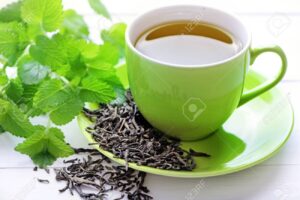
🍵 5. Green Tea – Antioxidant Power
Epigallocatechin gallate (EGCG) is a catechin that specifically accumulates in liver tissue, where it reduces oxidative stress, prevents fat accumulation, and protects against alcohol and toxin-induced liver damage.
🫀 Reduces liver fat up to 20%
How it works
EGCG inhibits lipid absorption in the intestine and increases fatty acid oxidation in the liver via AMPK activation. It also scavenges reactive oxygen species (ROS) in hepatocytes and inhibits NF-κB, reducing inflammatory cytokine production that drives fibrosis.
🍽️ Serving suggestion
Drink 3-4 cups of green tea daily, preferably between meals (not with food, as it can reduce iron absorption). Steep for 3-5 minutes at 80°C for optimal EGCG extraction. Avoid supplements with concentrated EGCG as they can paradoxically cause liver damage.
🔬 EGCG — 70mg per cup brewed
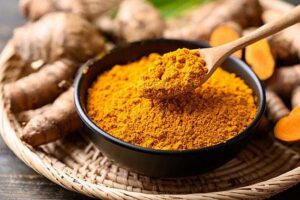
🌿 6. Turmeric – Anti-Inflammatory Healer
Curcumin stimulates bile production and flow (choleresis), essential for fat digestion and toxin elimination. It also protects bile ducts from inflammation and prevents gallstone formation by improving bile solubility.
🫀 Increases bile flow 62%
How it works
Curcumin stimulates cholecystokinin release, which contracts the gallbladder and increases bile flow through the bile ducts. It also reduces hepatic stellate cell activation—the key step in liver fibrosis and cirrhosis development. Curcumin chelates iron, preventing iron-mediated oxidative damage in the liver.
🍽️ Serving suggestion
Use 1-2 teaspoons of turmeric powder daily in golden milk, curries, or smoothies. Always combine with black pepper (piperine increases bioavailability 2000%) and a fat source for absorption. Avoid high-dose supplements if you have gallstones.
🔬 Curcumin — 3.1% of turmeric
🍎 7. Apples – Fiber-Rich Cleanser
1. Pectin Fiber = Toxin Removal Apples are rich in pectin, a soluble fiber that:
Binds toxins and heavy metals in the digestive tract
Helps eliminate them through waste
👉 Result: Reduces the toxin load reaching the liver.
2. Supports Natural Detox Pathways Apples contain plant compounds and nutrients that:
Assist liver detox enzymes
Improve overall cleansing efficiency
3. Antioxidants = Liver Protection Apples provide antioxidants like flavonoids and vitamin C that:
Protect liver cells from oxidative stress
Reduce inflammation and support healing
👉 Helpful in conditions like Fatty Liver Disease.
4. Improves Digestion & Reduces Liver Strain The fiber in apples:
Promotes healthy digestion
Prevents buildup of waste and toxins
👉 Result: Less burden on the liver.
🍽️ Smart Serving Suggestions
✔ Recommended amount:
1–2 apples per day
🍎 Easy Ways to Eat Apples:
Eat raw with the skin (most nutrients are in the peel)
Add to oatmeal or yogurt
Slice into salads for extra crunch
Blend into smoothies
Bake with cinnamon for a healthy dessert
⚠️ Tips
Choose whole apples over juice (more fiber, less sugar spike)
Wash thoroughly to remove pesticides
✅ Bottom Line
Apples support liver detox by binding toxins, improving digestion, and protecting liver cells—making them a simple, natural way to help cleanse and restore liver health.
🥬 8. Leafy Greens (Spinach, Kale)
Cruciferous Vegetables
Brussels sprouts, broccoli, and kale are rich in sulforaphane and indole-3-carbinol—compounds that dramatically increase glutathione production, the liver’s most important antioxidant and detoxification molecule.
🫀 Boosts glutathione 300%
How it works
Sulforaphane activates the Nrf2 transcription factor, which turns on genes for glutathione synthesis, glutathione peroxidase, and glutathione reductase. Indole-3-carbinol supports estrogen metabolism in the liver, reducing the burden of hormone processing.
🍽️ Serving suggestion
Eat 1-2 cups of cruciferous vegetables daily. Chop and let sit 40 minutes before cooking to maximize sulforaphane via myrosinase enzyme activity. Light steaming preserves more nutrients than boiling. Rotate between broccoli, Brussels sprouts, and kale.
🔬 Sulforaphane + Indole-3-carbinol
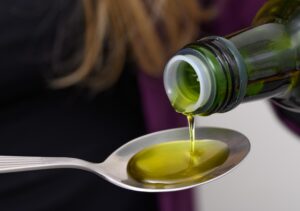
🫒 9. Olive Oil – Healthy Fat for Liver Protection
1. Healthy Fats = Reduced Liver Fat Extra virgin olive oil is rich in monounsaturated fats, which:
Help reduce fat accumulation in the liver
Improve lipid metabolism
👉 Result: Supports prevention and management of Fatty Liver Disease.
2. Supports Detox Function Olive oil can:
Stimulate bile production (important for toxin breakdown and fat digestion)
Help the body eliminate waste more efficiently
👉 Result: Improved natural detox processes.
3. Anti-Inflammatory Protection Contains compounds like oleocanthal that:
Reduce inflammation in liver tissue
Protect against damage from toxins and poor diet
4. Antioxidants = Liver Cell Repair Rich in vitamin E and polyphenols, olive oil:
Protects liver cells from oxidative stress
Supports regeneration and healing
🍽️ Smart Serving Suggestions
✔ Recommended amount:
1–2 tablespoons per day
🫒 Easy Ways to Use Olive Oil:
Drizzle over salads and vegetables
Use as a base for salad dressings
Add to cooked grains like rice or quinoa
Lightly sauté vegetables (avoid overheating)
Mix with lemon for a simple detox dressing
⚠️ Tips
Choose extra virgin olive oil (EVOO) for maximum nutrients
Avoid deep frying—it reduces health benefits
Store in a cool, dark place to preserve quality
✅ Bottom Line
Olive oil supports liver detox and restoration by reducing fat buildup, enhancing bile flow, lowering inflammation, and protecting liver cells—making it a key part of a liver-friendly diet.
🌰 10. Walnuts – Omega-3 Detox Support
1. Omega-3 Fats = Reduced Liver Fat & Inflammation Walnuts are rich in omega-3 fatty acids, which:
Reduce inflammation in liver tissue
Help lower fat accumulation in the liver
👉 Result: Supports prevention and management of Fatty Liver Disease.
2. Support Detoxification (Ammonia Removal) Walnuts contain arginine, an amino acid that:
Helps the liver detoxify ammonia (a harmful waste product) 👉 Result: Improved toxin elimination and liver efficiency.
3. Antioxidants = Liver Protection Walnuts provide antioxidants like polyphenols and vitamin E that:
Protect liver cells from oxidative stress
Reduce damage caused by toxins
4. Improve Liver Enzyme Function Regular consumption of walnuts has been linked to:
Better liver enzyme levels
Improved overall liver function
👉 Result: Healthier, more efficient liver performance.
🍽️ Smart Serving Suggestions
✔ Recommended amount:
A small handful (about 28g) per day
🌰 Easy Ways to Eat Walnuts:
Add to oatmeal or yogurt
Sprinkle over salads
Blend into smoothies
Eat as a snack with fruit
Mix into whole-grain dishes or baked goods
⚠️ Tips
Eat raw or lightly toasted for maximum nutrients
Avoid heavily salted or sugary coated walnuts
Store in a cool place to prevent rancidity
✅ Bottom Line
Walnuts support liver detox and repair by reducing inflammation, aiding toxin removal, and protecting liver cells—making them a simple and powerful addition to a liver-friendly diet.
⚠️ Foods That Harm the Liver
Limit or avoid:
Alcohol
Sugary drinks and refined carbs
Fried and processed foods
Excess salt
🍽️ Sample Liver-Supportive Daily Plan
Morning:
Warm lemon water
Oatmeal with apples and walnuts
Lunch:
Brown rice, steamed broccoli, grilled chicken with olive oil
Snack:
Green tea + fruit
Dinner:
Vegetable stir-fry with garlic, turmeric, and leafy greens
💡 Lifestyle Tips for Liver Health
Stay hydrated (flush toxins)
Exercise regularly (reduces liver fat)
Maintain a healthy weight
Avoid unnecessary medications/toxins
✅ Final Thoughts
Your liver is incredibly resilient—but it needs the right nutrients to function optimally. By consistently eating detox-supportive foods and avoiding harmful substances, you can naturally cleanse, repair, and protect your liver for long-term health.
👉 Take care of your liver, and it will take care of you.
Important Disclaimer: These foods support liver health as part of a balanced lifestyle, but they cannot reverse advanced liver disease. If you have hepatitis, cirrhosis, or elevated liver enzymes, consult your hepatologist. Some foods (especially grapefruit) interact with medications metabolized by the liver.