
Food nutrients are substances found in food that are essential for growth, energy, repair of body tissues, and maintenance of overall health. Nutrients support the body’s biological processes and help prevent many diseases. A balanced diet rich in essential nutrients strengthens the immune system, supports organ function, and improves physical and mental wellbeing.
The most important nutrient groups that support health include vitamins, minerals, antioxidants, phytochemicals, and healthy fats. Each of these nutrients plays a unique and critical role in maintaining human health.
1. Vitamins

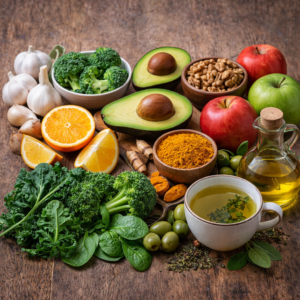
Vitamins are organic compounds required in small amounts to regulate various metabolic processes in the body. Unlike carbohydrates, proteins, and fats, vitamins do not provide energy but help the body use energy from food efficiently.
Vitamins are generally divided into two categories: fat-soluble vitamins and water-soluble vitamins.
Fat-Soluble Vitamins
These vitamins dissolve in fat and are stored in the body’s tissues.
Vitamin A
Vitamin A is important for vision, immune function, and skin health.
Functions:
-
Supports healthy vision
-
Strengthens the immune system
-
Promotes skin and tissue repair
-
Supports reproductive health
Food Sources:
-
Carrots
-
Sweet potatoes
-
Spinach
-
Liver
-
Eggs
Deficiency may lead to vision problems such as Night Blindness.
Vitamin D
Vitamin D helps the body absorb calcium and maintain strong bones.
Functions:
-
Supports bone health
-
Strengthens the immune system
-
Supports muscle function
Food Sources:
-
Fatty fish
-
Eggs
-
Fortified milk
-
Sunlight exposure
Low vitamin D levels may contribute to Osteoporosis.
Vitamin E
Vitamin E is a powerful antioxidant that protects cells from damage.
Functions:
-
Protects cells from oxidative stress
-
Supports skin health
-
Strengthens immune defense
Food Sources:
-
Nuts
-
Seeds
-
Vegetable oils
-
Spinach
Vitamin K
Vitamin K plays a vital role in blood clotting and bone metabolism.
Functions:
-
Helps blood clot properly
-
Supports bone strength
-
Prevents excessive bleeding
Food Sources:
-
Leafy green vegetables
-
Broccoli
-
Brussels sprouts
Water-Soluble Vitamins
These vitamins dissolve in water and must be consumed regularly because the body does not store them in large amounts.
Vitamin C
Vitamin C supports immunity and helps the body repair tissues.
Functions:
-
Boosts immune system
-
Promotes wound healing
-
Supports collagen production
-
Enhances iron absorption
Food Sources:
-
Oranges
-
Lemons
-
Strawberries
-
Bell peppers
Vitamin C deficiency may cause Scurvy.
Vitamin B Complex
The B vitamins help convert food into energy and support brain function.
Important B vitamins include:
-
B1 (Thiamine)
-
B2 (Riboflavin)
-
B3 (Niacin)
-
B6 (Pyridoxine)
-
B9 (Folate)
-
B12 (Cobalamin)
Functions:
-
Energy production
-
Nervous system health
-
Red blood cell formation
-
Brain function
Food Sources:
-
Whole grains
-
Meat
-
Eggs
-
Legumes
-
Leafy vegetables
Deficiency in vitamin B12 may lead to Anemia.
2. Minerals

Minerals are inorganic nutrients that are essential for many physiological processes such as bone formation, nerve transmission, and fluid balance.
Minerals are divided into macrominerals and trace minerals.
Macrominerals
These are required in larger amounts.
Calcium
Calcium is essential for strong bones and teeth.
Functions:
-
Bone development
-
Muscle contraction
-
Nerve signaling
-
Blood clotting
Food Sources:
-
Milk
-
Yogurt
-
Cheese
-
Leafy greens
Calcium deficiency may lead to Osteoporosis.
Magnesium
Magnesium supports hundreds of biochemical reactions in the body.
Functions:
-
Energy production
-
Muscle relaxation
-
Nerve function
-
Blood pressure regulation
Food Sources:
-
Nuts
-
Seeds
-
Whole grains
-
Dark leafy greens
Potassium
Potassium regulates fluid balance and supports heart function.
Functions:
-
Maintains normal blood pressure
-
Supports nerve signals
-
Helps muscle contractions
Food Sources:
-
Bananas
-
Potatoes
-
Beans
-
Avocados
Low potassium levels can contribute to Hypertension.
Trace Minerals
Trace minerals are needed in smaller quantities but remain essential.
Important trace minerals include:
-
Iron
-
Zinc
-
Selenium
-
Copper
-
Iodine
Iron
Iron is necessary for oxygen transport in the blood.
Functions:
-
Formation of hemoglobin
-
Oxygen transport
-
Energy production
Iron deficiency can cause Iron Deficiency Anemia.
3. Antioxidants


Antioxidants are compounds that protect the body from damage caused by free radicals. Free radicals are unstable molecules that can damage cells and contribute to aging and disease.
Antioxidants help prevent chronic conditions such as:
-
Cancer
-
Heart Disease
-
Alzheimer’s Disease
Common antioxidants include:
-
Vitamin C
-
Vitamin E
-
Beta-carotene
-
Selenium
Food Sources:
-
Berries
-
Dark chocolate
-
Green tea
-
Nuts
-
Vegetables
Benefits:
-
Protect cells from oxidative damage
-
Support immune function
-
Slow aging processes
4. Phytochemicals


Phytochemicals are natural plant compounds that provide protective health benefits. Although they are not considered essential nutrients, they significantly contribute to disease prevention and overall health.
Phytochemicals help protect against diseases such as:
-
Cancer
-
Diabetes
-
Cardiovascular Disease
Examples of phytochemicals include:
Flavonoids
Found in fruits and vegetables.
Benefits:
-
Anti-inflammatory properties
-
Improved heart health
Carotenoids
Responsible for bright colors in fruits and vegetables.
Food Sources:
-
Carrots
-
Tomatoes
-
Sweet potatoes
Benefits:
-
Eye health
-
Immune support
Polyphenols
Found in plant-based foods.
Food Sources:
-
Green tea
-
Berries
-
Olive oil
Benefits:
-
Reduced inflammation
-
Protection against chronic diseases
5. Healthy Fats

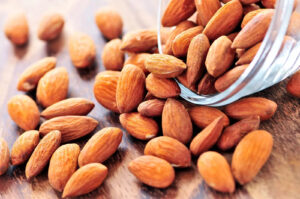
Healthy fats are essential nutrients that support many bodily functions. Unlike unhealthy trans fats, healthy fats help maintain heart health and provide long-lasting energy.
Types of Healthy Fats
Monounsaturated Fats
These fats help reduce bad cholesterol levels.
Food Sources:
-
Olive oil
-
Avocados
-
Nuts
Benefits:
-
Supports heart health
-
Reduces risk of Coronary Artery Disease
Polyunsaturated Fats

These include essential fatty acids such as omega-3 and omega-6.
Food Sources:
-
Fatty fish
-
Walnuts
-
Flaxseeds
-
Chia seeds
Benefits:
-
Supports brain health
-
Reduces inflammation
-
Supports heart health
Omega-3 Fatty Acids
Omega-3 fatty acids are especially important for brain and cardiovascular health.
Functions:
-
Improve brain function
-
Reduce inflammation
-
Support heart health
Food Sources:
-
Salmon
-
Sardines
-
Flaxseeds
-
Chia seeds
Omega-3 fats may reduce the risk of Heart Disease.
How Food Nutrients Support Natural Healing
Natural healing refers to the body’s ability to repair, restore, and maintain health using its internal biological systems. Nutrition plays a fundamental role in this process because the body requires specific nutrients to rebuild tissues, regulate biological functions, and protect cells from damage.
Key nutrients such as vitamins, minerals, antioxidants, phytochemicals, and healthy fats support natural healing by strengthening the immune system, reducing inflammation, repairing damaged cells, and preventing chronic diseases.
1. Role of Vitamins in Natural Healing
Vitamins regulate many metabolic and physiological processes that are necessary for healing and recovery. They help the body repair tissues, strengthen the immune system, and support cellular regeneration.
Immune System Support
Certain vitamins strengthen the body’s defense mechanisms against infections.
For example:
-
Vitamin C stimulates the production of white blood cells that fight pathogens.
-
Vitamin D helps regulate immune responses and reduce inflammation.
These vitamins help protect the body from infections and illnesses such as Influenza and COVID-19.
Tissue Repair and Wound Healing
Vitamin C plays an essential role in collagen production, which is necessary for skin repair and wound healing. Without adequate vitamin C, wounds heal slowly and tissues become weak.
Bone Health and Recovery
Vitamin D and Vitamin K help regulate calcium metabolism and maintain bone strength. These nutrients are especially important during injury recovery and for preventing bone disorders such as Osteoporosis.
2. Role of Minerals in Natural Healing
Minerals support the structural and functional components of the body. They are involved in enzyme reactions, nerve signaling, and tissue repair.
Oxygen Transport and Energy Production
Iron helps produce hemoglobin, the protein that carries oxygen in the blood. Oxygen is essential for cellular energy and tissue repair.
When iron levels are low, the body may develop Iron Deficiency Anemia, which reduces the body’s ability to heal effectively.
Bone and Muscle Recovery
Calcium and magnesium are critical for bone strength, muscle relaxation, and nerve function. These minerals support recovery from physical stress and injury.
Immune System Strength
Zinc is one of the most important minerals for immune function. It helps activate immune cells and supports wound healing.
A zinc deficiency can slow healing processes and weaken resistance to infections.
3. Role of Antioxidants in Natural Healing
Antioxidants protect the body from oxidative stress, which occurs when harmful molecules called free radicals damage cells.
Oxidative stress contributes to aging and many chronic diseases including:
-
Cancer
-
Heart Disease
-
Alzheimer’s Disease
Cell Protection
Antioxidants neutralize free radicals and protect cells from damage. This protection allows the body to maintain healthy tissues and repair damaged ones.
Reducing Inflammation
Chronic inflammation can slow healing and lead to disease. Antioxidants help reduce inflammation and support faster recovery.
Common antioxidant-rich foods include berries, leafy greens, nuts, and green tea.
4. Role of Phytochemicals in Natural Healing
Phytochemicals are natural compounds found in plants that provide powerful protective health benefits.
Although they are not classified as essential nutrients like vitamins and minerals, phytochemicals play a significant role in disease prevention and healing.
Anti-Inflammatory Effects
Many phytochemicals reduce inflammation, which is a major cause of chronic diseases.
Inflammation is associated with conditions such as:
-
Arthritis
-
Type 2 Diabetes
-
Cardiovascular Disease
Plant compounds like flavonoids and polyphenols help reduce inflammatory responses in the body.
Detoxification Support
Certain phytochemicals help the liver detoxify harmful substances and eliminate toxins from the body.
Examples include compounds found in broccoli, garlic, and turmeric.
Cancer Protection
Some phytochemicals have been shown to inhibit the growth of abnormal cells and reduce the risk of certain cancers.
5. Role of Healthy Fats in Natural Healing
Healthy fats are essential for many biological functions, including hormone production, brain function, and cell structure.
Reducing Inflammation
Omega-3 fatty acids help reduce inflammation throughout the body. Chronic inflammation is a major factor in diseases such as Coronary Artery Disease.
Omega-3 fats help balance inflammatory responses and support healing.
Brain and Nervous System Health
Healthy fats are a major component of brain cells. They support cognitive function, memory, and nerve communication.
Omega-3 fatty acids are particularly important for brain health and emotional wellbeing.
Supporting Cell Structure
Fats form part of the structure of cell membranes. Healthy fats help maintain flexible and functional cells, which improves nutrient transport and waste removal.
6. Nutrient Synergy in Natural Healing
Natural healing does not depend on a single nutrient but rather on the combined effects of multiple nutrients working together.
For example:
-
Vitamin C improves iron absorption.
-
Vitamin D helps the body absorb calcium.
-
Antioxidants and phytochemicals work together to reduce inflammation.
This synergy explains why whole foods are more beneficial than isolated nutrients.
Fruits, vegetables, nuts, seeds, whole grains, and healthy oils contain combinations of nutrients that support healing more effectively than supplements alone.
7. Food-Based Healing vs Medication
While medications treat symptoms and acute conditions, nutrition addresses the underlying factors that influence health.
Healthy foods can:
-
Reduce inflammation
-
Strengthen the immune system
-
Improve metabolic function
-
Support long-term disease prevention
For example, dietary improvements can help manage chronic conditions such as Type 2 Diabetes and Hypertension.
However, nutrition should complement medical care rather than replace necessary medical treatment.
Conclusion
Food nutrients are essential for supporting the body’s natural healing mechanisms. Vitamins regulate metabolic processes, minerals support structural and physiological functions, antioxidants protect cells from damage, phytochemicals provide powerful disease-fighting properties, and healthy fats reduce inflammation and support brain and heart health.
When these nutrients are consumed through a balanced diet rich in whole foods, they work together to strengthen the immune system, repair damaged tissues, prevent chronic diseases, and promote overall wellness.
In this way, nutrition becomes a powerful tool for natural healing and long-term health.
