
The concept of food as medicine suggests that the foods we eat every day play a powerful role in maintaining health,
preventing disease, and supporting healing. Rather than viewing food simply as fuel for the body, this approach recognizes that
nutrients found in natural foods influence nearly every biological function.
Meaning of Food as Medicine
Food as medicine refers to the practice of using nutrition and whole foods to improve health outcomes and reduce the risk of disease.
Whole foods provide nutrients that regulate body processes such as metabolism, immune defense, and tissue repair.
Main Nutrients in Healing Foods
- Vitamins
- Minerals
- Protein
- Healthy fats
- Fiber
- Antioxidants
- Phytochemicals
Importance of Food as Medicine
- Disease Prevention
Healthy diets can significantly reduce the risk of chronic illnesses such as diabetes, heart disease, obesity, and hypertension.
Preventive nutrition is one of the most effective ways to improve public health globally.
- Stronger Immune System
Nutrients such as vitamin C, vitamin D, zinc, and antioxidants strengthen immune defenses and help the body fight infections.
- Faster Healing
When the body experiences illness or injury, it requires extra nutrients to repair tissues and restore normal functioning.
Protein, vitamins, and minerals support this healing process.
- Mental Health Support
Nutrition affects brain chemistry. Diets rich in healthy fats, whole foods, and vitamins can improve mood and cognitive function.
Philosophy of Food as Medicine
Holistic Health
The philosophy of food as medicine is rooted in holistic health, which views the body, mind, and environment as interconnected.
Nature Provides Healing
Natural foods such as fruits, vegetables, whole grains, legumes, nuts, and seeds contain beneficial compounds that support health.
Prevention Over Cure
Instead of waiting for disease to occur, healthy eating habits help prevent illness before it develops.
Examples of Healing Foods






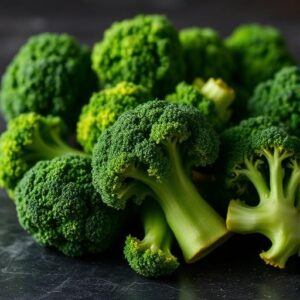
- Garlic: supports heart health and immunity
- Turmeric: powerful anti‑inflammatory spice
- Ginger: aids digestion and reduces inflammation
- Berries: rich in antioxidants
- Leafy greens: packed with vitamins and minerals
Principles and Implementation of Food as Medicine
The concept of Food as Medicine is built on several guiding principles that emphasize the role of nutrition in preventing disease and promoting overall health. These principles help shape how food can be used practically to support wellbeing in individuals and communities.
Principles of Food as Medicine
1. Prevention Before Treatment
One of the central principles of food as medicine is preventing disease rather than treating it after it occurs. Healthy eating habits can reduce the risk of many chronic conditions such as:
-
Type 2 Diabetes
-
Heart Disease
-
Hypertension
-
Obesity
By maintaining a balanced diet, individuals can lower risk factors long before diseases develop.
2. Whole and Natural Foods
Food as medicine emphasizes eating whole, minimally processed foods that are rich in nutrients. These foods include:
-
Fruits
-
Vegetables
-
Whole grains
-
Nuts and seeds
-
Legumes
-
Healthy fats
Natural foods provide essential nutrients that support the body’s biological functions and promote long-term health.
3. Nutrient Density
Another important principle is choosing foods that are nutrient-dense, meaning they provide high amounts of vitamins, minerals, and beneficial compounds relative to their calorie content.
Examples include leafy greens, berries, nuts, and seeds. These foods supply antioxidants and phytochemicals that protect the body against cellular damage.
4. Personalization of Diet
Food as medicine recognizes that nutritional needs vary among individuals. Factors such as age, health conditions, lifestyle, and genetics influence dietary requirements.
For example:
-
Athletes require higher energy and protein intake.
-
Individuals with diabetes must monitor carbohydrate intake.
-
Older adults may require additional vitamins and minerals.
Personalized nutrition helps ensure that diets effectively support individual health needs.
5. Holistic Health Approach
Food as medicine supports a holistic perspective of health, meaning that physical, mental, and emotional wellbeing are interconnected.
This approach is consistent with many traditional medical systems such as Ayurveda, which emphasizes the balance between diet, lifestyle, and overall health.
2. Implementation of Food as Medicine
Implementing food as medicine involves applying these principles in practical ways in daily life, healthcare systems, and community programs.
Individual Level Implementation
Healthy Dietary Patterns
Individuals can practice food as medicine by adopting healthy eating patterns such as:
-
Eating a variety of fruits and vegetables
-
Choosing whole grains instead of refined grains
-
Limiting processed foods and added sugars
-
Including healthy fats such as olive oil and nuts
These habits provide the nutrients necessary to maintain health and prevent disease.
Functional and Healing Foods
Certain foods have specific health benefits and can be incorporated into daily diets to support healing.
Examples include:
-
Garlic for heart health
-
Turmeric for anti-inflammatory effects
-
Ginger for digestion
-
Berries for antioxidant protection
These foods contain natural compounds that support the body’s defense systems.
Lifestyle Integration
Food as medicine works best when combined with other healthy lifestyle practices such as:
-
Regular physical activity
-
Adequate sleep
-
Stress management
-
Hydration
Together, these factors contribute to overall wellbeing.
Healthcare System Implementation
Healthcare providers are increasingly incorporating nutrition into medical care. Hospitals and clinics may use nutrition-based interventions such as:
-
Medical nutrition therapy
-
Personalized diet plans
-
Nutrition counseling
-
Preventive health programs
Professionals in Public Health and Nutritional Science support these initiatives to improve patient outcomes.
Community and Public Health Programs
Food as medicine can also be implemented at the community level through public health programs.
Examples include:
-
School nutrition programs
-
Community gardens
-
Healthy food access initiatives
-
Public nutrition education campaigns
These programs aim to improve access to nutritious foods and promote healthier dietary habits.
3. Benefits of Implementing Food as Medicine
When properly implemented, food as medicine can lead to several benefits:
- Improved Health Outcomes
Better nutrition reduces the risk of chronic diseases and improves overall health.
- Reduced Healthcare Costs
Preventing disease through nutrition lowers medical expenses associated with long-term treatment.
- Increased Longevity
Healthy diets contribute to longer life expectancy and improved quality of life.
- Stronger Communities
Nutrition-focused programs improve public health and reduce health inequalities.
Modern Use in Healthcare
Many hospitals and healthcare systems now incorporate nutrition programs, medically tailored meals, and therapeutic diets
to improve patient outcomes and prevent chronic diseases.
Conclusion
Food as medicine emphasizes the powerful connection between nutrition and health. By choosing natural, nutrient‑dense foods,
individuals can protect their health, prevent disease, and support the body’s natural healing processes.
